What is the role of balance and coordination in swimming HealthGov Biology Diagrams The GyroStim targets the brain's balance and spatial orientation systems to improve reaction time, balance, hand-eye coordination, and spatial awareness. Balance and Coordination Therapy We use specific tracking exercises, gaze stability, and other therapies to improve the eye movements necessary for reading, driving, and sports activity.

BALANCE AND COORDINATION TESTS. To prescribe appropriate balance and coordination exercises, it is essential to have data related to present balance and coordination status. Most often, coordination is evaluated by using the simple tests such as those outlined in Box 6-1. Although quantifying a patient's coordination abilities can be easily

Trunk Control for Improved Postural Stability Biology Diagrams
The Human Balance System: A Complex Coordination of Central and Peripheral Systems By Vestibular Disorders Association, with contributions by Mary Ann Watson, MA, F. Owen Black, MD, FACS, and Matthew Crowson, MD process of facilitation can help the balance system reset and adapt to achieve a sense of balance again. For example, when a
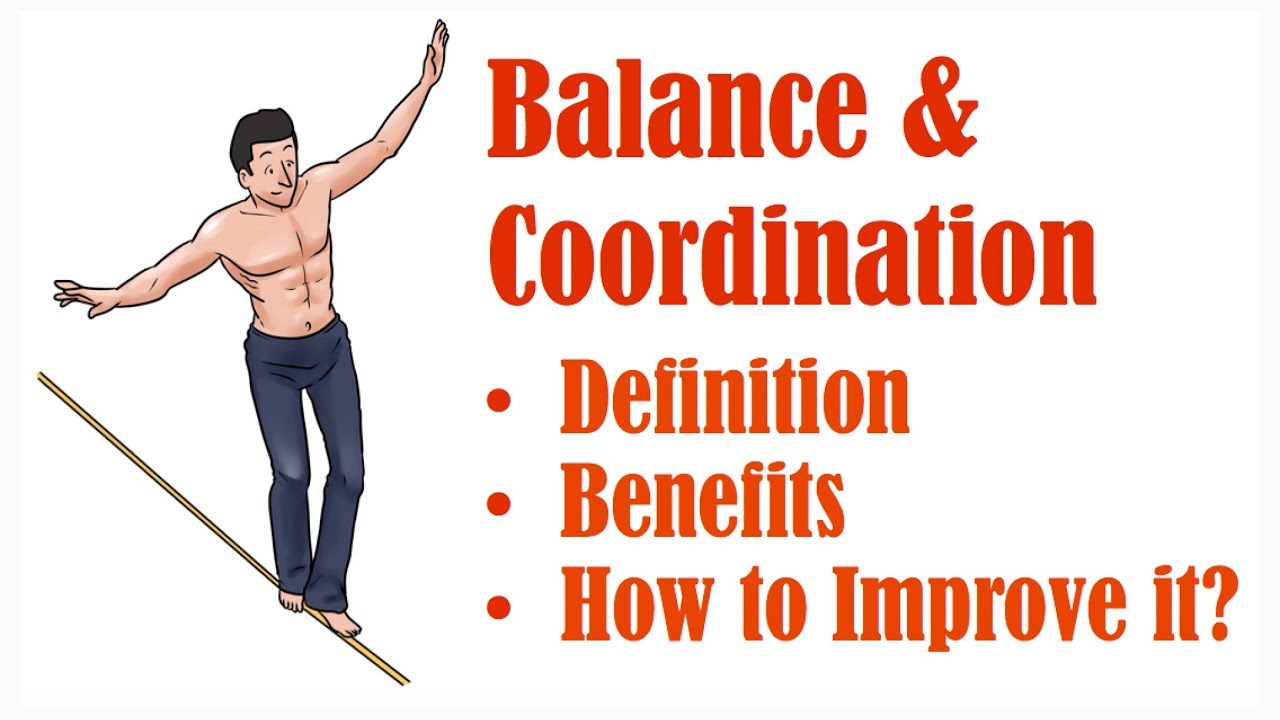
Balance refers to an individuals ability to maintain their line of gravity within their Base of support (BOS). It can also be described as the ability to maintain equilibrium, where equilibrium can be defined as any condition in which all acting forces are cancelled by each other resulting in a stable balanced system.

Balance Training and Neuroplasticity: How Training Your Stability ... Biology Diagrams
Essential Points: Balance Training Reshapes Your Brain - Practicing balance challenges not just your muscles but also your brain, strengthening neural pathways and improving motor control, coordination, and reaction times through neuroplasticity.. Multi-System Integration Enhances Stability - Your balance relies on the vestibular, somatosensory, and visual systems working together. The Basics of Balance. Your sense of balance isn't just one thing, it's a complex interplay between three major sensory systems: Vision helps you see where you are in relation to the world.. Vestibular System (located in your inner ear) senses motion and orientation.. Somatosensory System gives feedback from touch and joint position.. Together, these systems create a "balance map" in Balance and Postural Control. During ADL people are susceptible to changes in both dynamic as well as static balance. The ability to control those changes represents a complex challenge for the neuromuscular control system, which must cope with rapid environmental changes and is based upon the ability to proact or react to these changes for successful locomotion and fall prevention.